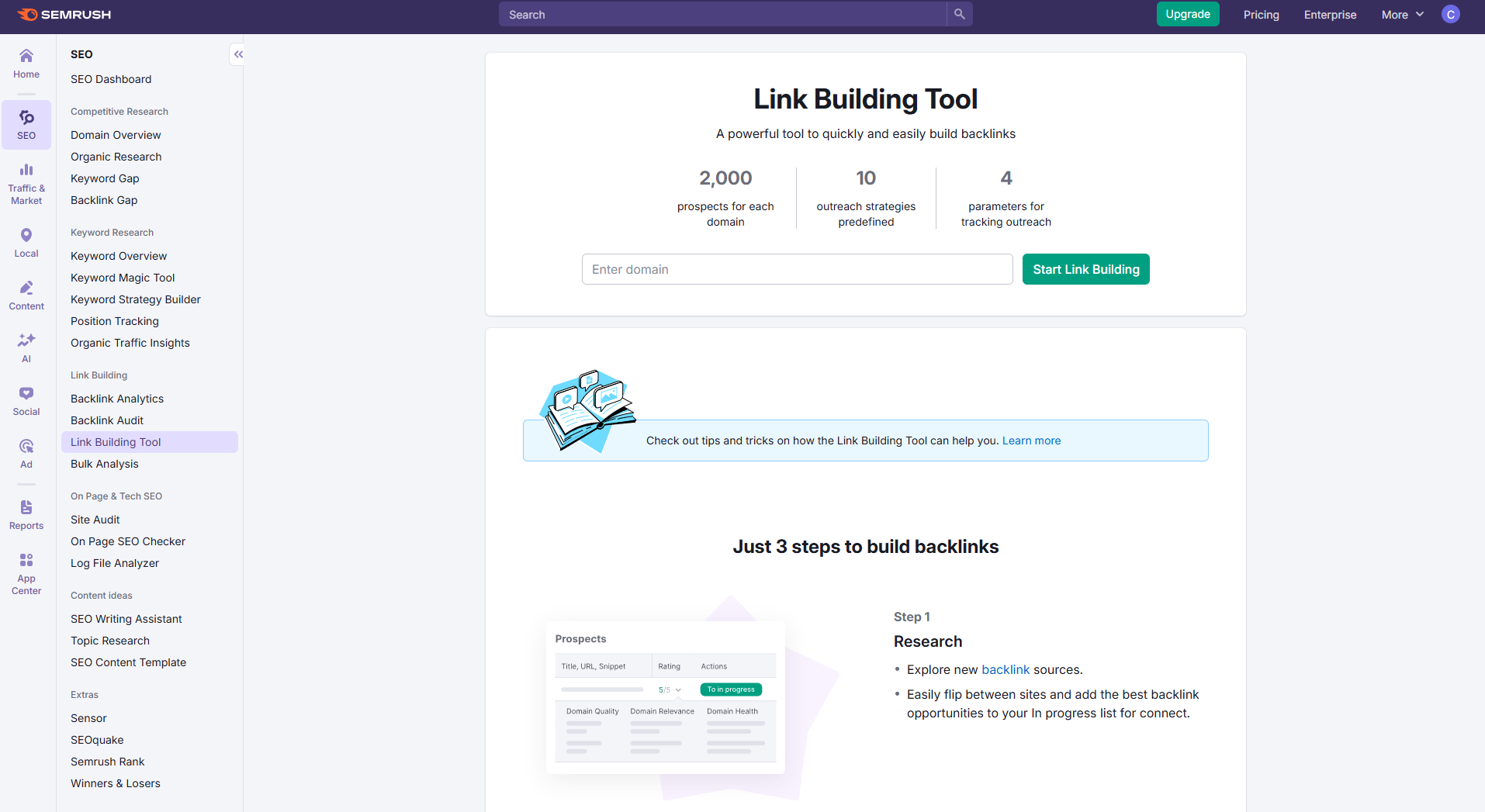
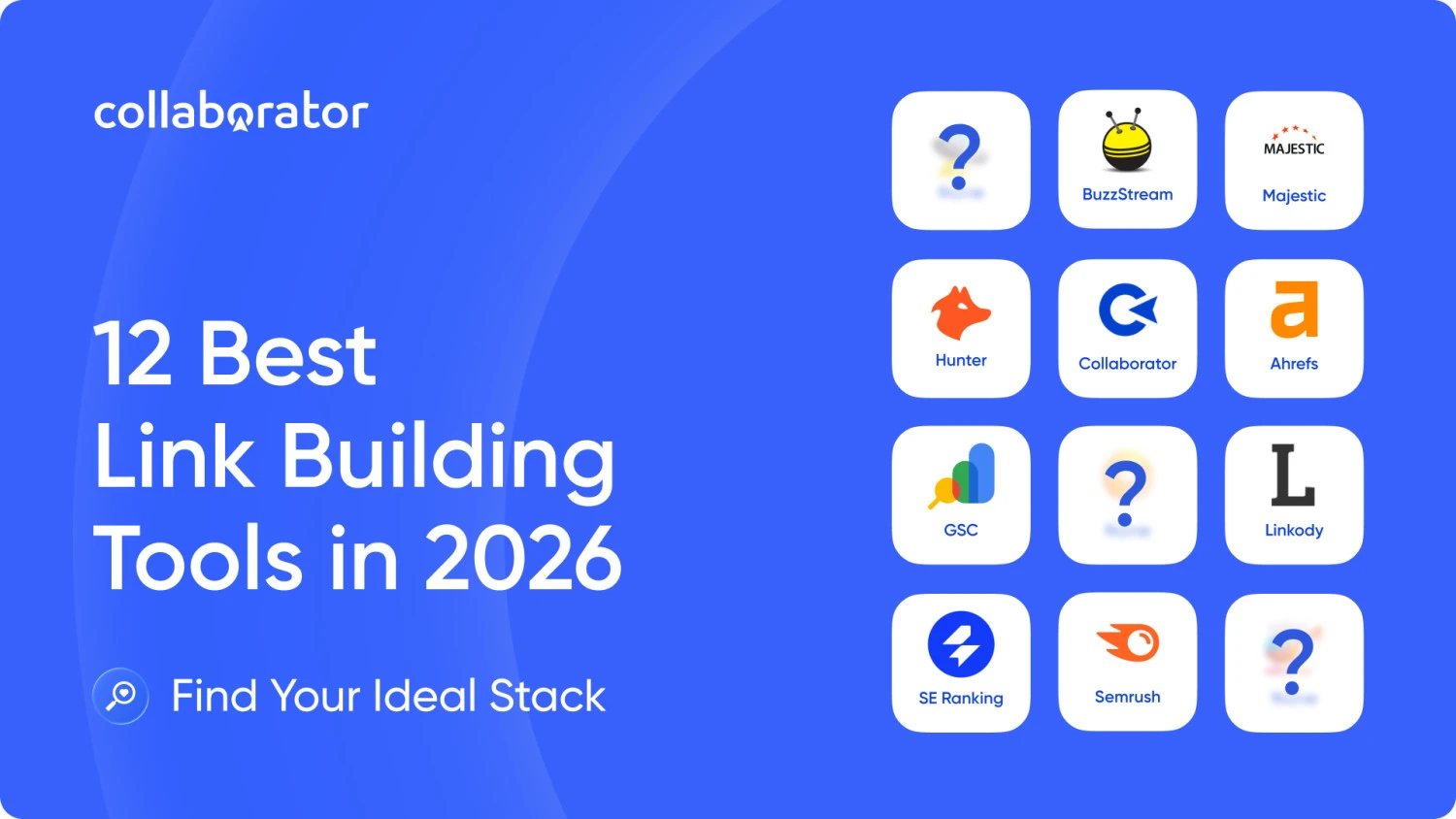
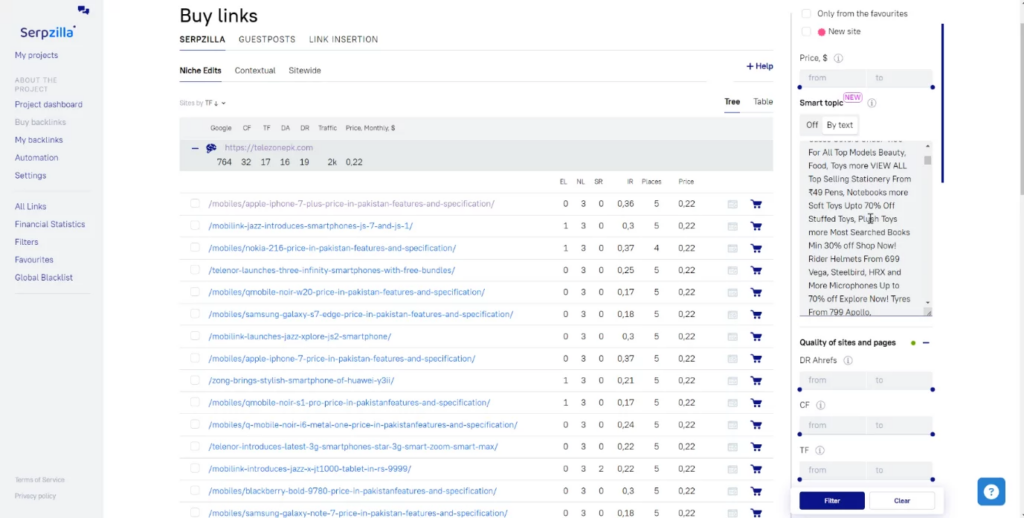
Comparing Traditional Versus Programmatic Backlink Workflows
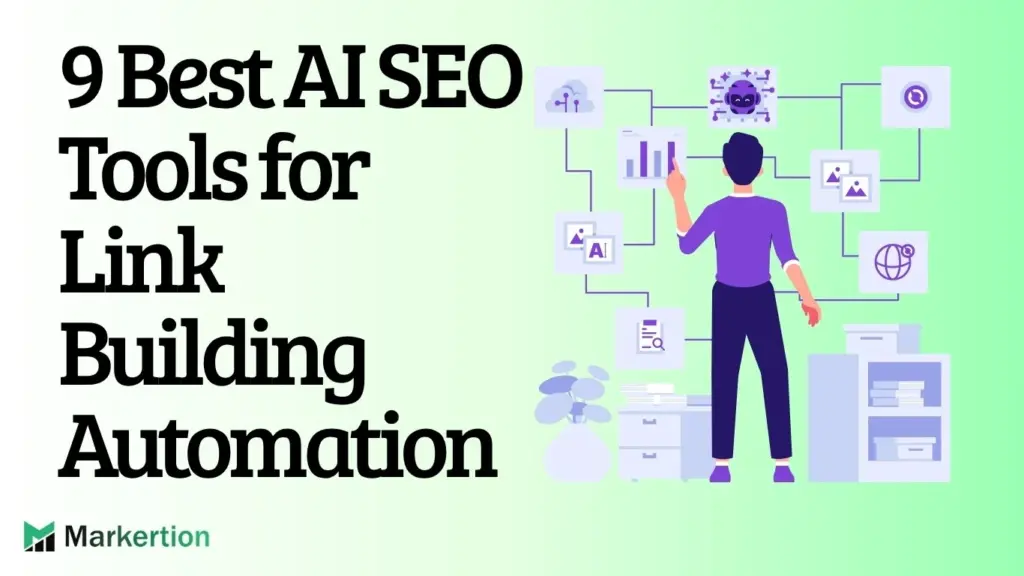
The real power lies not in discovering a magic bullet, but in tactically assembling a tech stack that multiplies your efforts and maximizes your time for what really matters: constructing genuine relationships and developing high-value material. The tools we have actually covered, from all-in-one powerhouses like Ahrefs and Semrush to specialized outreach platforms like Pitchbox and Respona, all goal to fix a crucial piece of the link building puzzle.
The journey to a sophisticated link structure engine is a process of layering automation. For lots of SaaS startups and new products, the preliminary difficulty is just getting on the map. This is where foundational link structure is non-negotiable. Directory site and platform submissions are an essential initial step, however they are likewise time-consuming and repetitive.
Once you have a standard of visibility, you can take advantage of tools like Hunter or to find contact information at scale, feeding that data into outreach systems like Mailshake or Postaga to automate your e-mail series for visitor posting, damaged link building, or resource page positionings. The objective is to develop a workflow where automation deals with the 90% of a task that is recurring, leaving you to focus on the 10% that requires human imagination and customization.
A solopreneur needs an easy to use, all-in-one solution, while a dedicated SEO team can manage a more complex, multi-tool stack. Do not just look at the regular monthly rate. Assess the ROI in terms of hours saved and prospective links acquired. In some cases, a more costly tool is less expensive in the long run. How well do your selected tools collaborate? A smooth flow of information from your research tool to your CRM and after that to your outreach platform is important for real automation.
They manage the prospecting, the follow-ups, and the information management, enabling you to invest your most important resource, your time, into crafting compelling pitches and cultivating connections that cause high-authority backlinks. Choose wisely, start small, and develop a system that turns the strenuous task of link building into a predictable growth engine for your service.
The Evolution of Scalable Link Technology Beyond
Google's anti-spam systems do not truly appreciate your workflows and their "efficiency". What they appreciate is generally those utilized. To prevent that, the safest psychological model is: Automation is fantastic at moving information around, however it's awful at making trust. And link structure genuine link structure is primarily about trust and significance.
If you have actually ever attempted to scale this, you currently know the bitter reality: you spend a stunning quantity of time doing just "admin SEO." Structure lists. Finding e-mails. Which's the home turf of automation. Where automation might stop working is the action where a 3rd celebration should make a decision: "Yes, I'll mention you".
When people state "automated link structure," it helps to divide it into 2 kinds. is the safe one. It includes scraping, scoring, routing, follow-up sequences, QA, signals, and reporting. is, on the contrary, the dangerous one. It makes up auto-posting to networks, automated link exchanges, automated paid placements, and mass guest-post pipelines.
No, they're the ones that. When you do automation right, your team spends less time on sorting and chasing. Instead, they can focus on two things that really get links: discovering a real fit and making a reliable contribution. Automation shines at the phase when you're producing the top of the funnel.
Here's a prospecting scorecard you can utilize as a gate before anything reaches outreach. Indexed pages, steady publishing circulation, non-zero visibility Outbound link patterns Does it look like a link farm or "write for us" mill? Reasonable outbound links, not certainly commercial-heavy Material quality Would a genuine individual mention this as a source?
Ensuring Domain Authority Standards in Automated Campaigns
The majority of outreach fails for one dull reason: individuals pitch the wrong thing to the wrong page type. You can improve contacts (function, beat, area owner), pull the last 35 posts, discover whether a page is an editorial blog post or a curated list, and after that route potential customers into the ideal project track.
A pitch makes sense where attention already exists: unlinked points out, dead links, or out-of-date recommendations. People expect too much from AI in outreach and too little from solid mechanics.
Humans then take that raw input to arrange it as a narrative covering why the pattern matters, what it implies, and how a reader should react. This matters more now since Google has actually openly cracked down on massive material the more so if the content's been recognized to game rankings, not to help users.
Expert Workflows for High-Velocity SEO Growth
If you're generating pages generally to have surface areas to point links at, you're off course. In our experience, for many sites, it's internal linking, not external link acquisition, that accounts for a larger portion of link-building results. Google finds pages, understands which of them are important, and recognizes hierarchy between subjects a lot more easily when assisted through internal links.
(Google for Developers) Internal linking is completely automatable. The great thing is that it's almost difficult to cross into unsafe practices. What you can automate: finding orphan pages connecting brand-new material back to core hubs determining damaged or dead internal links flagging pages that aren't well-linked internally supplying anchor text alternatives based on intent clusters Automated link building might sometimes feel sketchy.
It typically is just fixing truth: you were mentioned however not connected a link broke because a URL altered a page 404 'd after a migration a site revitalized an article but dropped the original citation Thanks to automation, you get the alert exactly the moment it happens. What you can do now is stepping in with a low-friction message to the publisher.
Why Can Automated URL Indexing Boost Results?
The pleasant part here is that a backlink is a by-product when you keep details precise and citations undamaged. In this section, let's see how automation ends up being dangerous (due to the fact that it lures you to use it as "simply a tool"). For Google, outcomes and patterns matter, it's unaware of your intent.
Link spam belongs to that universe, too. Paying for links itself isn't the offense; it just ends up being an issue when paid links discreetly affect rankings.
Not every page can earn links naturally. Money pages often earn links badly.